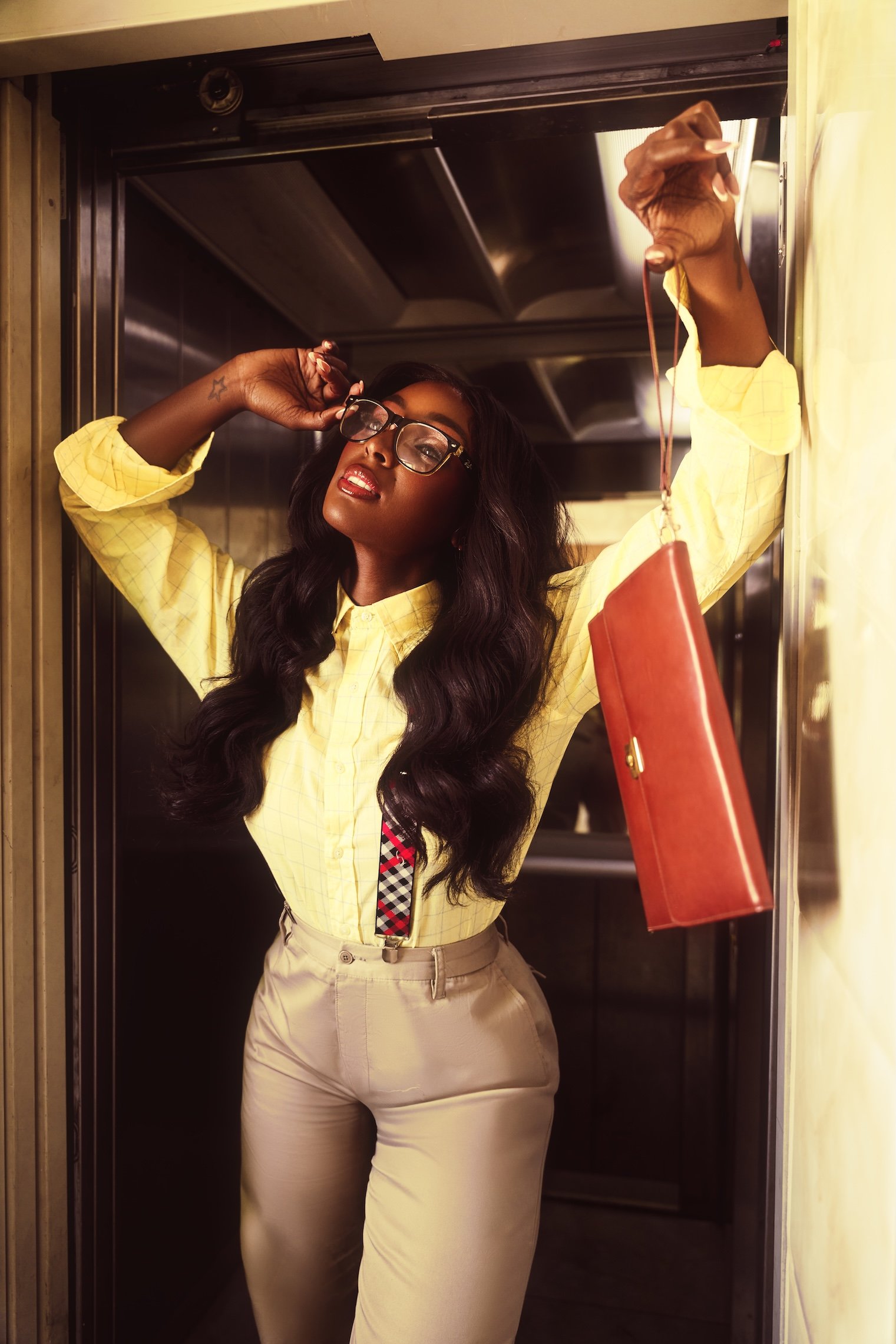

“A New Era of Amara”

CREATIVE DIRECTION BRAMTCO MARTIN
PHOTOGRAPHY: JORGE HUYGHUE
INTERVIEW: ADVIN ILLA
ICONIC STYLE MAGAZINE NEW YORK
“MY LEGACY IS MORE THAN
ENTERTAINMENT, IT’S REP-
RESENTATION, DIGNITY, AND
AFRO-LATINA PRIDE”
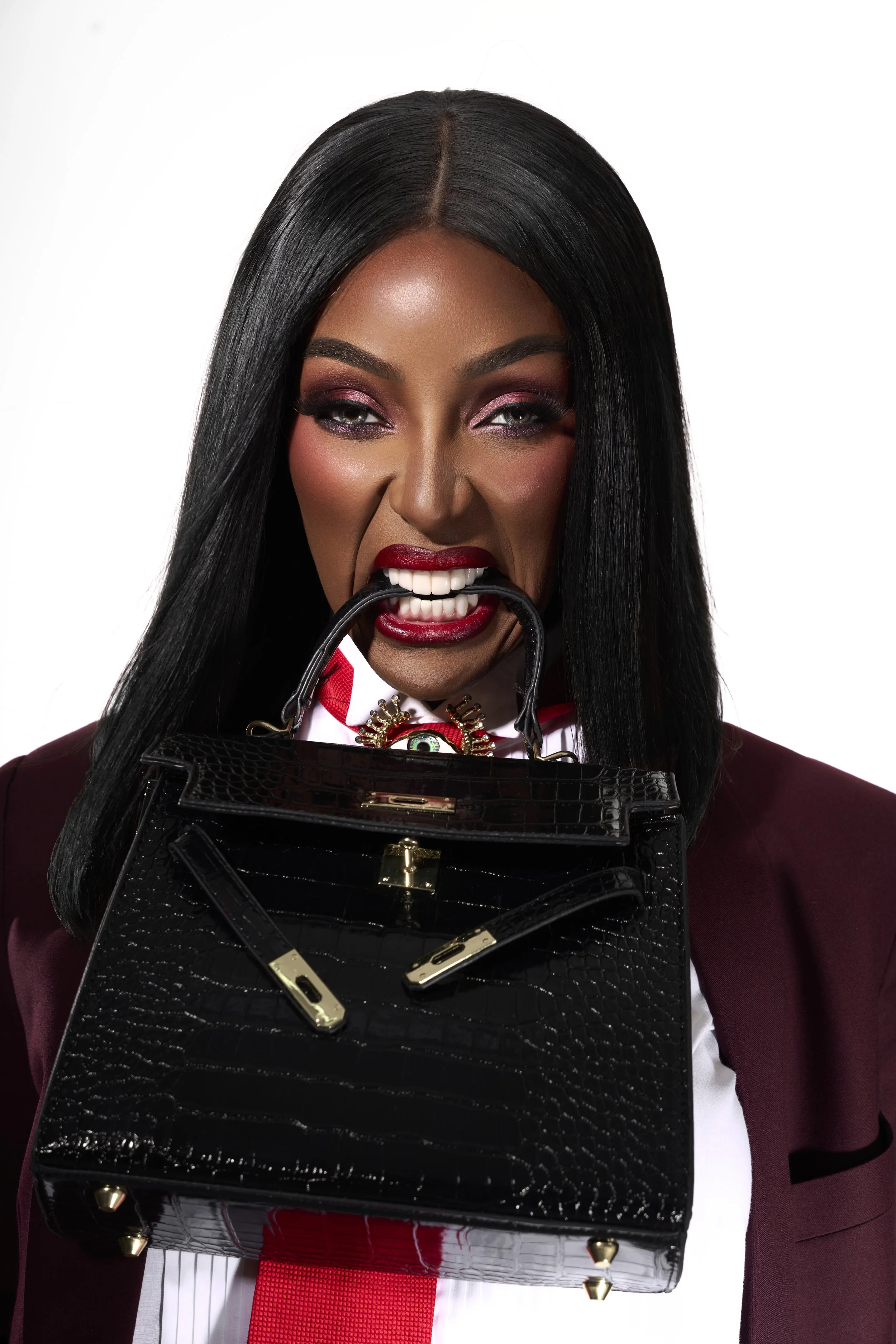
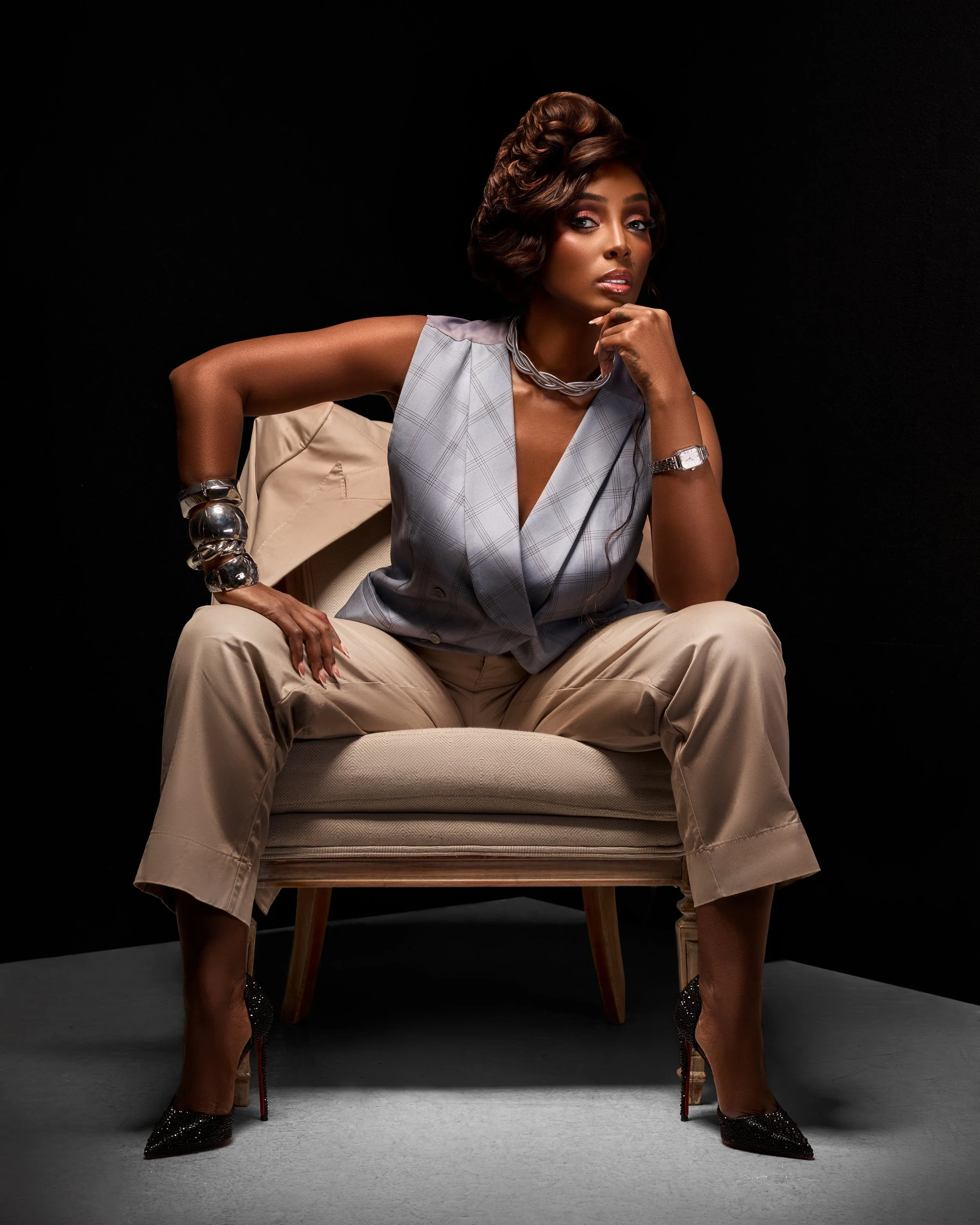
Tailored in crisp white and grounded in authority, this look redefines modern power dressing. The sculpted blazer dress, sharp shoulders, and cinched waist command attention, while the black shirt and polka-dot tie nod to classic menswear with a confident, feminine twist. Elevated by subtle gold accents and a poised silhouette, the ensemble captures a new era of leadership-where elegance, strength, and vision move as one.

There is a quiet authority that emerges when a woman stops asking to be seen and begins allowing herself to simply be. In this editorial moment, Amara La Negra is not presenting a reinvention designed for applause. What unfolds instead is something far more powerful: a visible alignment between who she is, who she has been, and who she is becoming. This photoshoot operates as a visual thesis on rebirth, legacy, and self-possession-an article written in posture, light, and intention.
At this stage of her life and career, Amara stands firmly in her own center. The images reflect a woman who has weathered personal, cultural, and professional storms without allowing them to harden her spirit or dull her brilliance. There is no sense of performance here, no need to prove resilience. It is already embodied. What we witness is clarity-the kind earned only through experience-and a refusal to minimize herself for the comfort of others. She takes up space not defiantly, but deliberately.
Rebirth, in this context, is not about erasing the past. It is about integrating it. Every frame carries the weight of lived history: triumphs achieved against resistance, wounds transformed into wisdom, and a confidence forged rather than granted. Strength and vulnerability coexist without contradiction. Amara allows both to live within her, understanding that one does not cancel out the other. Instead, together they create depth.


Reinvention, as she now defines it, has little to do with surface change. It is not a costume or a phase. It is internal, spiritual, and deeply personal. It is the courage to stand in front of oneself without fear, without denial, and without apology. As a woman, she has learned discernment. As an artist, she has reclaimed authorship. As a mother, she has embraced responsibility not just for her children, but for the example she sets in how to live truthfully.

Motherhood has expanded her sense of legacy beyond individual success. The empire she is building is not measured solely in accolades or visibility, but in sustainability and inheritance. She is creating something her daughters can claim with pride-a blueprint that demonstrates how a Black Latina woman can build with her own hands, voice, and vision. Her work insists that representation is not a trend, dignity is not optional, and pride is not negotiable.
Artistically, this era marks a shift toward intimacy and narrative. Amara’s voice, once shaped to fit the expectations of an industry uncomfortable with her fullness, now moves freely across layers. The woman, the mother, the creator, the activist, the dreamer-all are present and unfiltered. Her work no longer asks permission to be complex. It embraces it. The result is art that feels lived-in rather than performed, rooted in honesty rather than strategy.
Her resilience is not solitary. It is ancestral. It flows directly from the women who came before her mother, her grandmothers, and her African and Caribbean lineage. Their sacrifices, often unseen and uncelebrated, live on through her achievements. Every barrier she breaks honors them. Every door she opens extends their struggle into possibility. She carries their resistance not as burden, but as fuel.
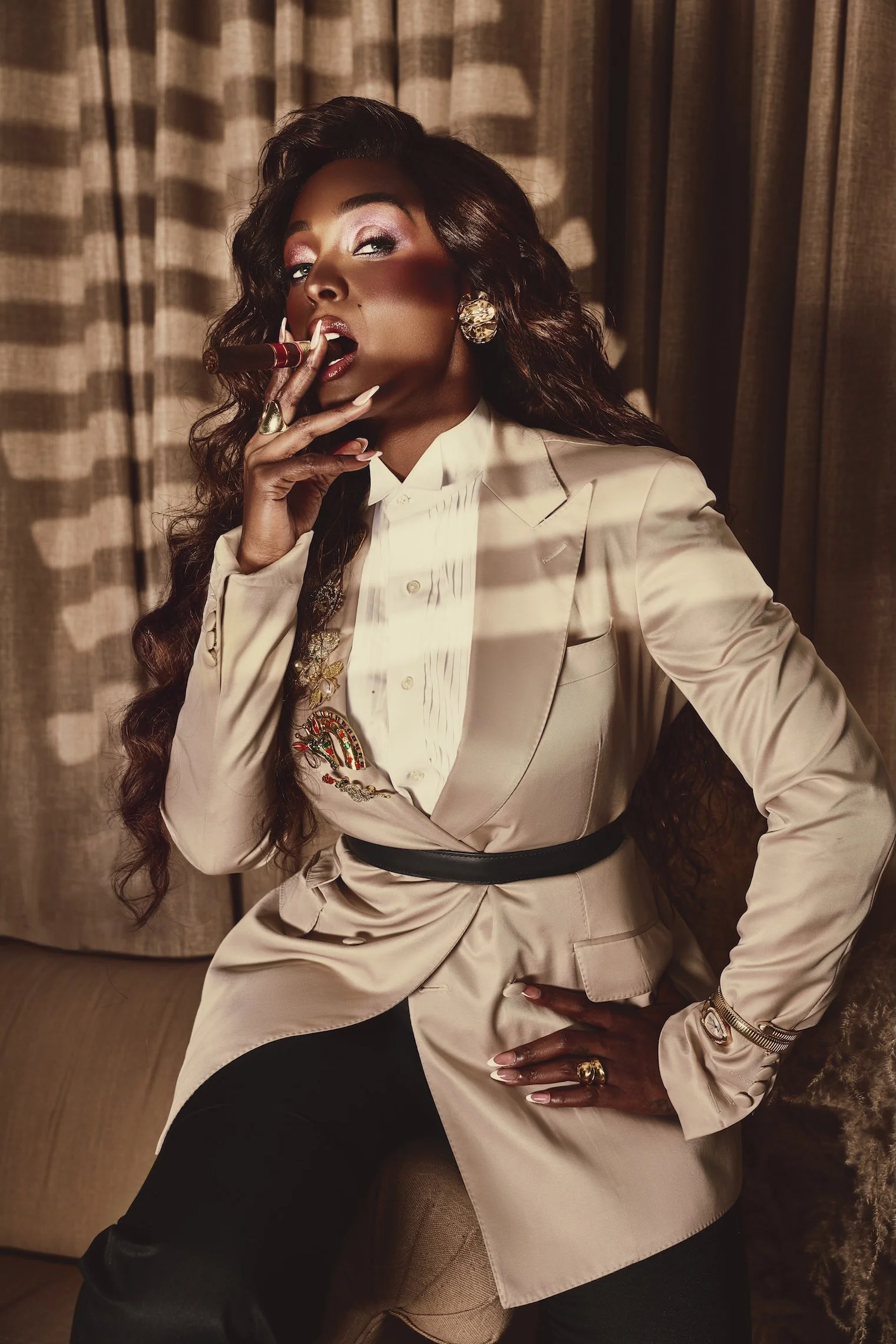
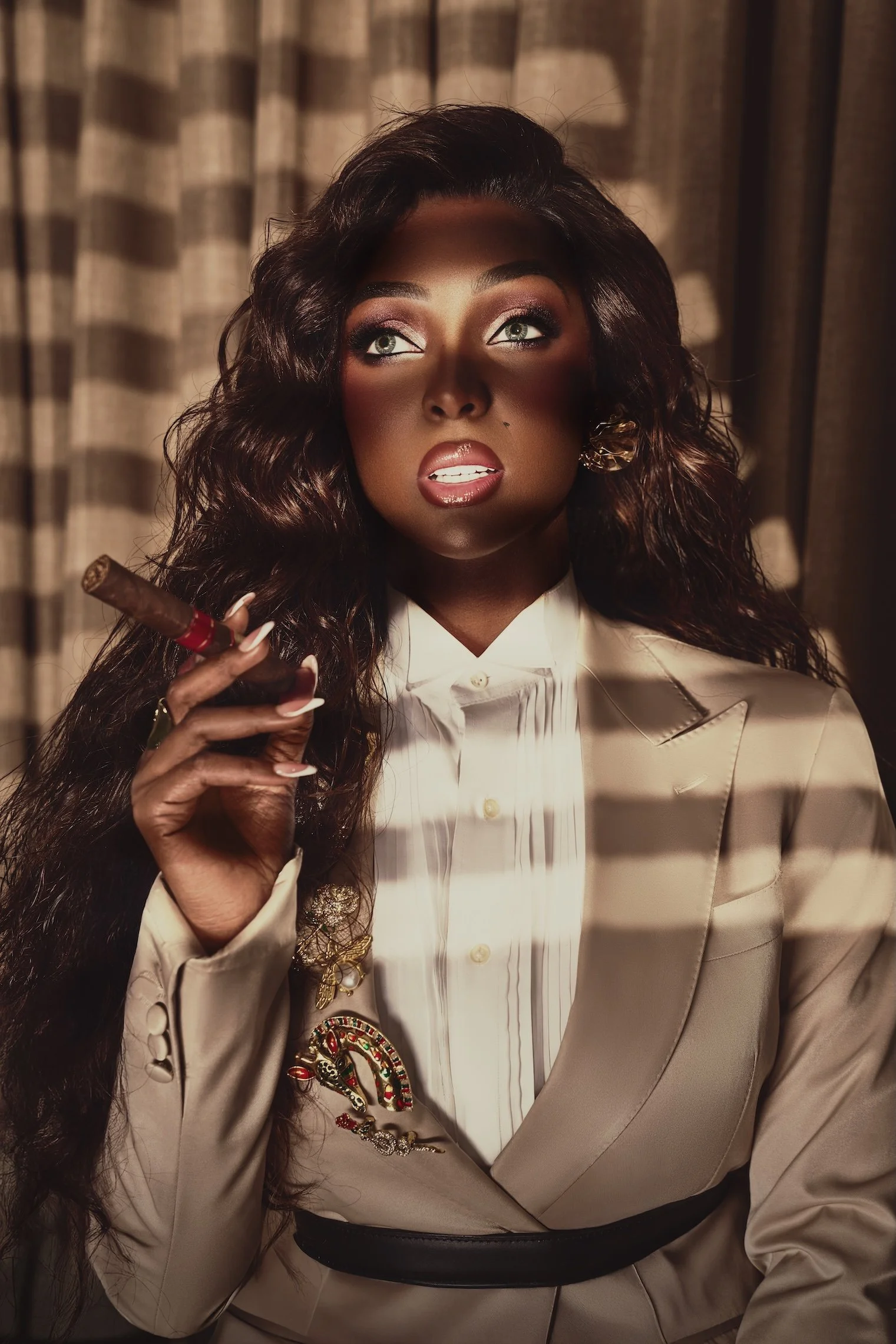
Fashion, within this editorial, becomes a language of its own. It is neither decoration nor distraction. It functions as both armor and declaration. Through structure, texture, and silhouette, Amara communicates identity without explanation. Culture is not referenced; it is embodied. Power is not exaggerated; it is refined. Each look becomes a statement of intent, reinforcing that style, when used with purpose, can articulate truths words cannot contain.
Across the globe, Afro-Latina women recognize themselves in her presence. The energy exchanged between Amara and her community is reciprocal. Their stories reinforce her mission, reminding her that her visibility carries collective weight. What she represents extends beyond personal narrative into communal affirmation. Her voice echoes those who were historically silenced, transforming representation into responsibility.
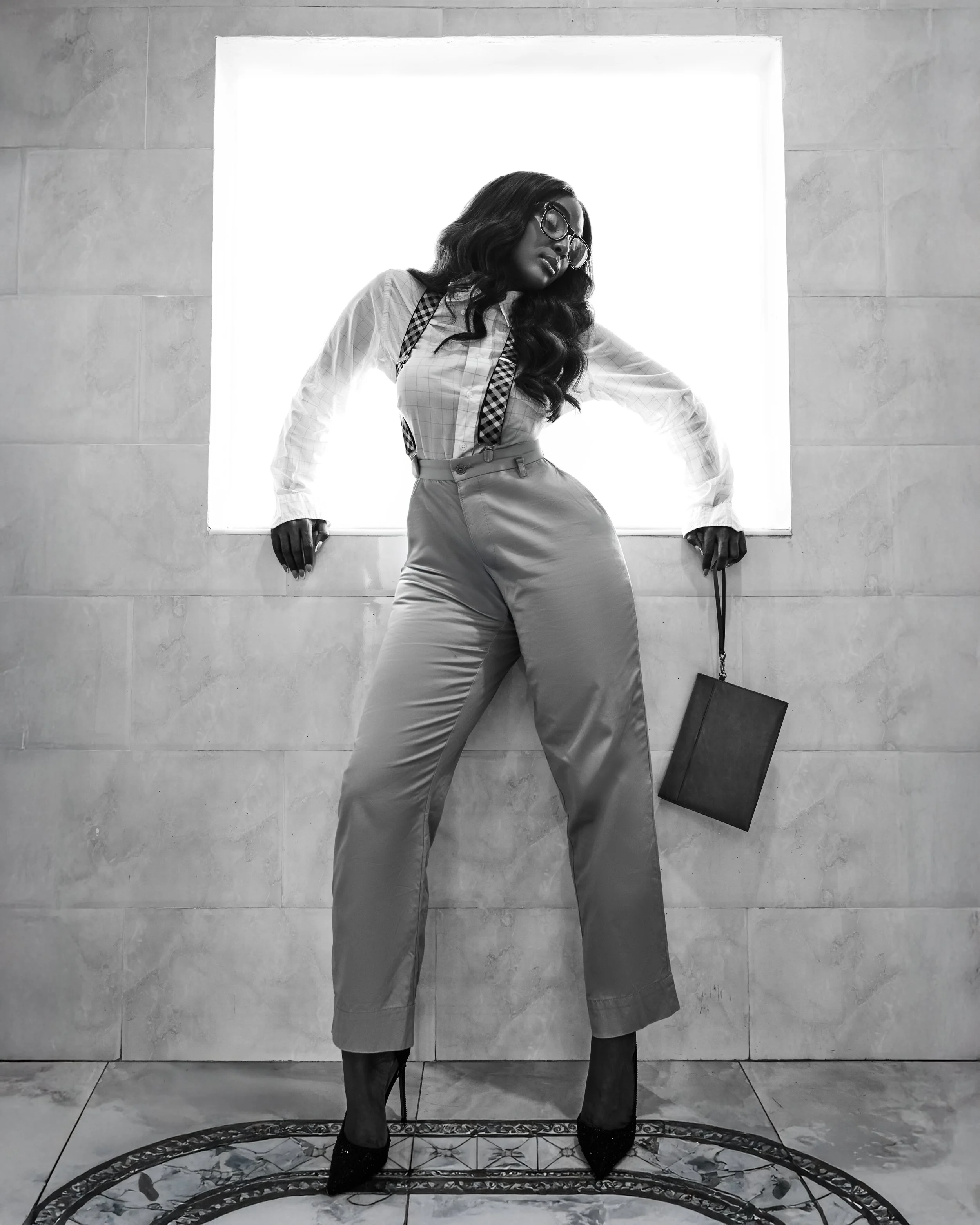
Her presence also reshapes conversations around strength. It challenges the notion that powerful women must be confrontational or threatening. Instead, she demonstrates that a woman grounded in her worth elevates everything around her. Her strength builds rather than competes. Her freedom expands rather than disrupts. Respect, she shows, is the true foundation of any meaningful exchange.
Beyond the stage and spotlight, Amara is constructing something enduring. Her empire is cultural, emotional, economic, and spiritual. It is designed to outlast trends and survive beyond moments of attention. She thinks now as a visionary, understanding that longevity requires discipline, authenticity, and intention. This is not ambition without direction; it is purpose with structure.
Ultimately, this editorial does not attempt to freeze Amara La Negra into iconography. It captures movement-a woman in transition, navigating multiple identities and responsibilities with grace. Power here is not rigid; it is adaptive. Leadership is not loud; it is assured. What remains constant is her refusal to disappear or diminish.
This is not simply a fashion story or a career update. It is a document of becoming. Amara does not wear fashion; she wields it. She does not perform identity; she inhabits it. And in doing so, she reminds us that evolution, when lived honestly, is the most commanding form of presence.