
ROMAN - The Oscar & Emmy Watch Contender Redefining Vigilante Drama
A Rare Kind of Series — One That Thinks Like Cinema

Premise & Narrative Direction
At its surface, Roman presents a familiar structure: a former soldier turned boxing coach drawn into a confrontation with systemic corruption threatening his community. But the series quickly separates itself from convention.
Rather than building toward heroism, it dismantles it. The narrative prioritizes consequence over resolution, allowing tension to accumulate as each decision reshapes the character’s identity. The result is a story that unfolds with discipline, resisting simplification in favor of complexity.


Character & Performance
The central performance is defined by restraint.
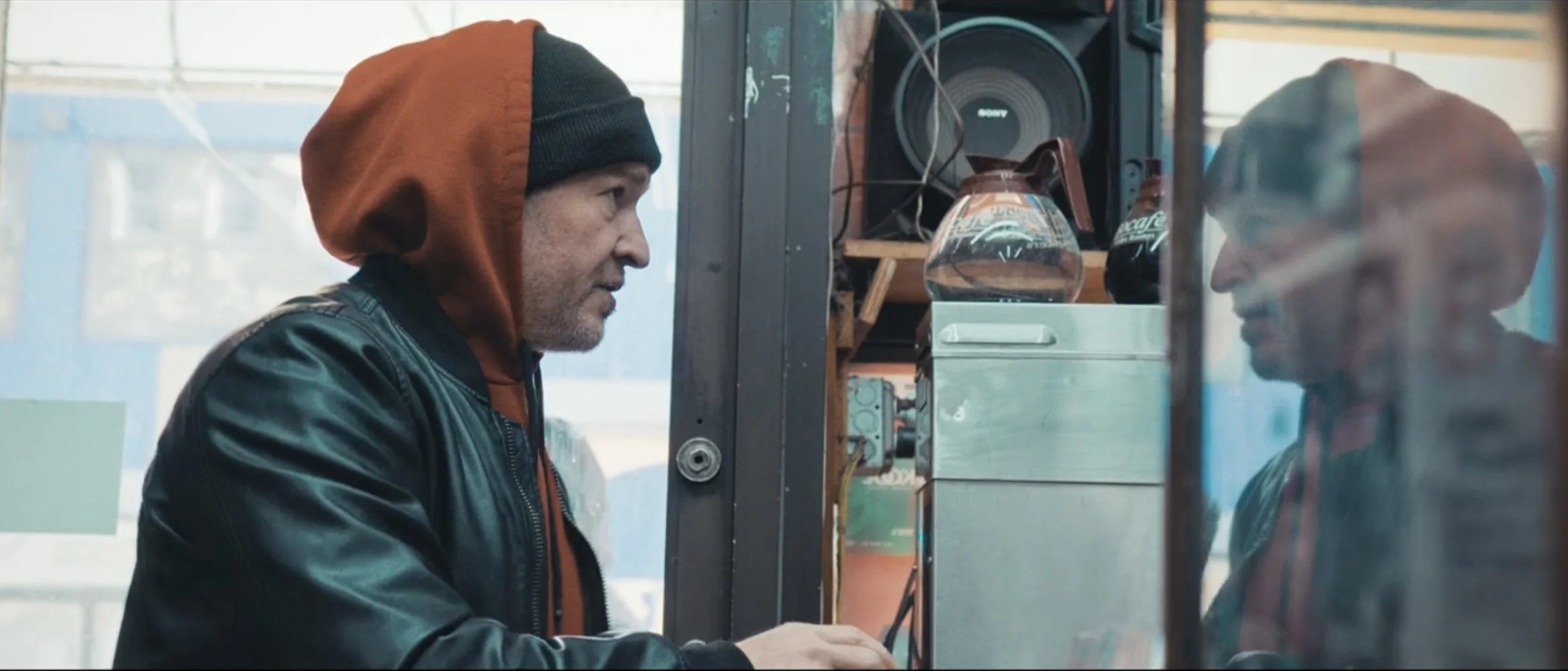
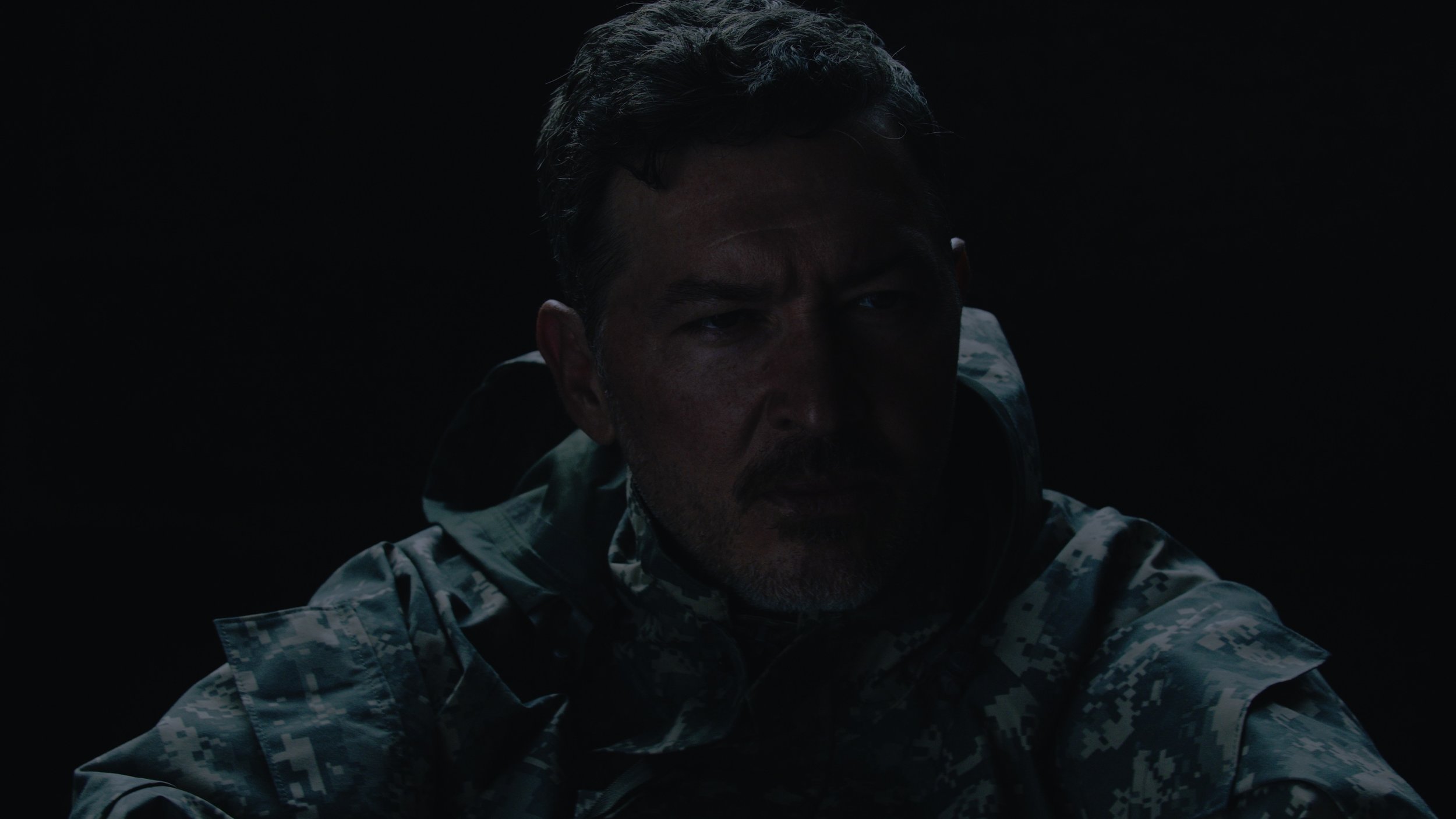
Roman is portrayed not as an archetypal hero, but as a man navigating contradiction—discipline shaped by military experience, vulnerability shaped by fatherhood, and an undercurrent of volatility that never fully resolves. Emotion is internalized, revealed through stillness and controlled intensity rather than overt expression.
This approach grounds the character in psychological realism, allowing the performance to feel lived rather than performed.

Themes & Social Commentary
The series operates within a space of moral ambiguity.
It explores:
The fragility of justice when institutions fail
The overlap between protection and aggression
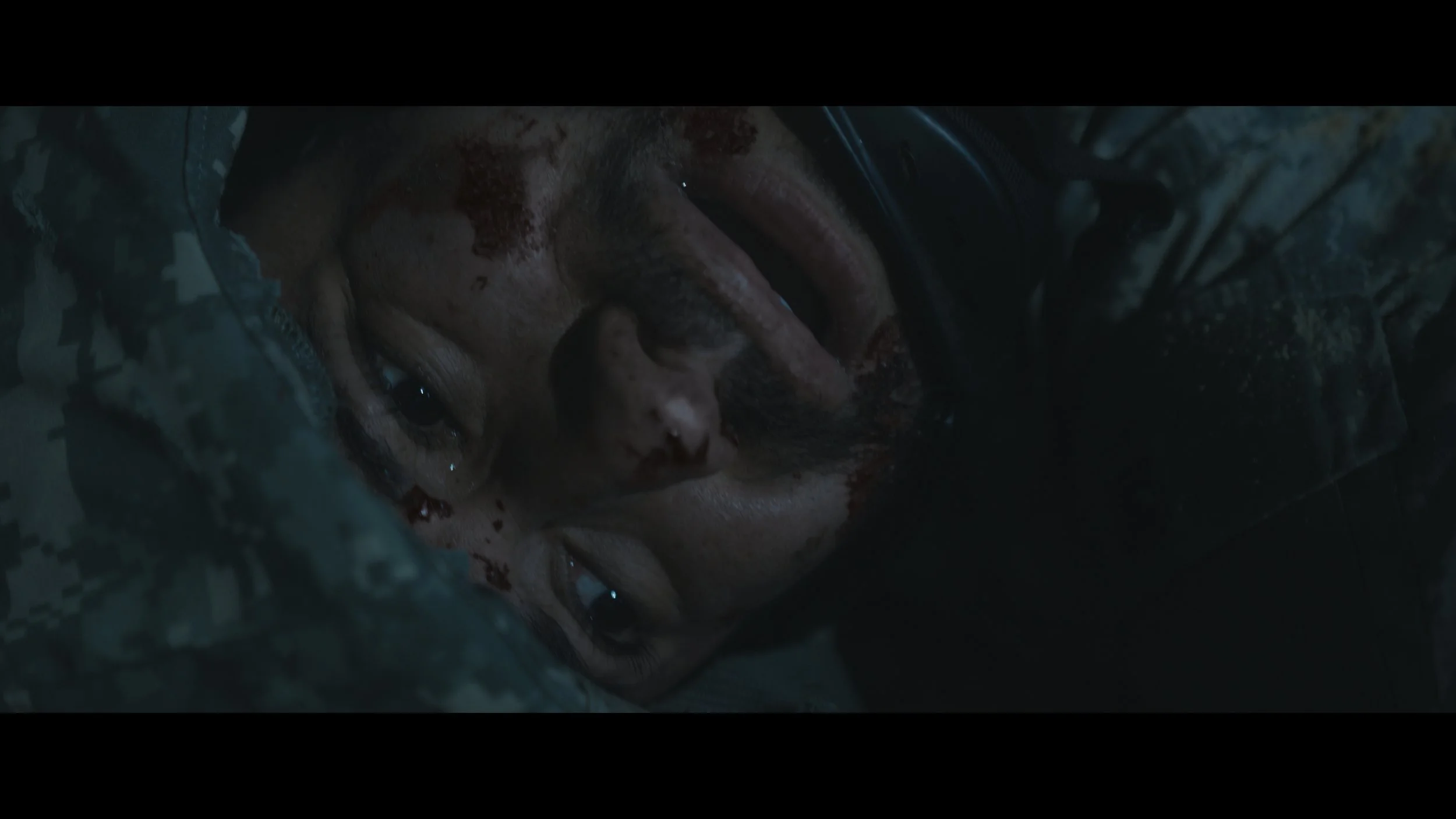
The psychological residue of war
The impact of gentrification and displacement
These themes are embedded within the narrative structure, shaping both the character’s decisions and the trajectory of the story.


Setting & World-Building
The environment functions as a central force.
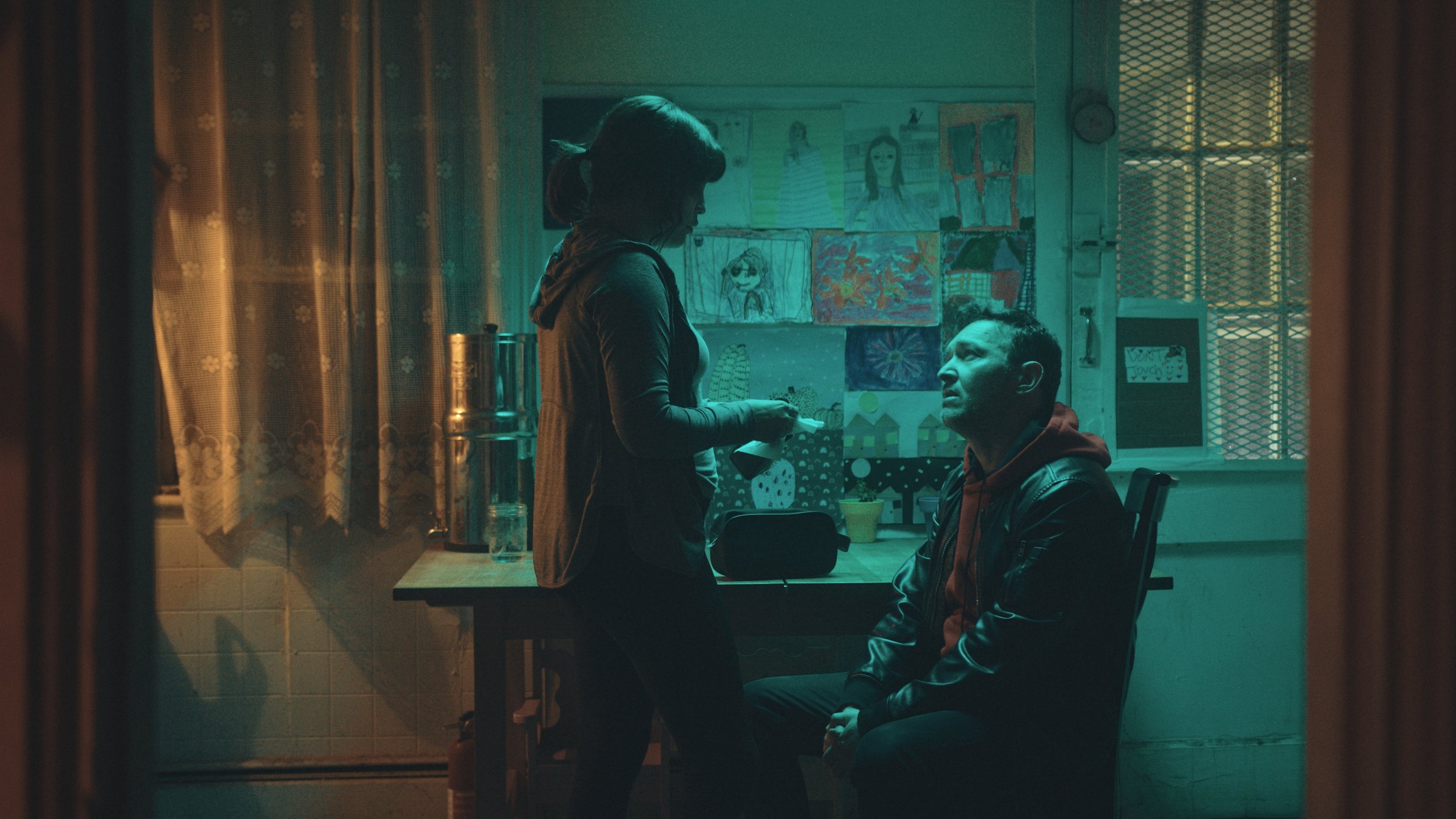
The neighborhood is not passive—it drives the narrative. The realities of displacement and community erosion are presented with specificity, giving weight to the character’s actions and reinforcing the stakes. This grounding ensures that the story remains tangible and immediate.


Cinematography & Visual Language
The visual approach is controlled and intentional.
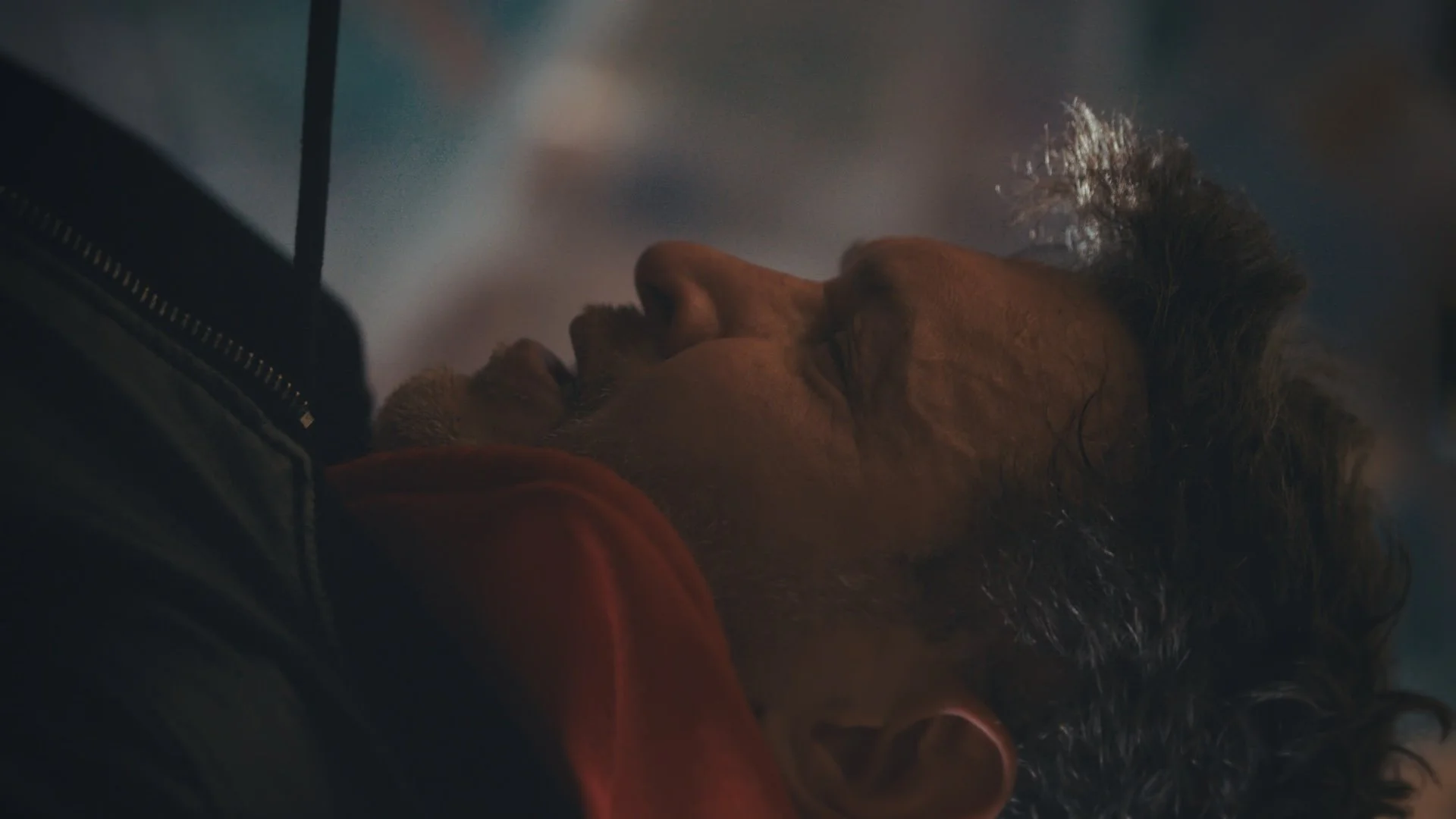
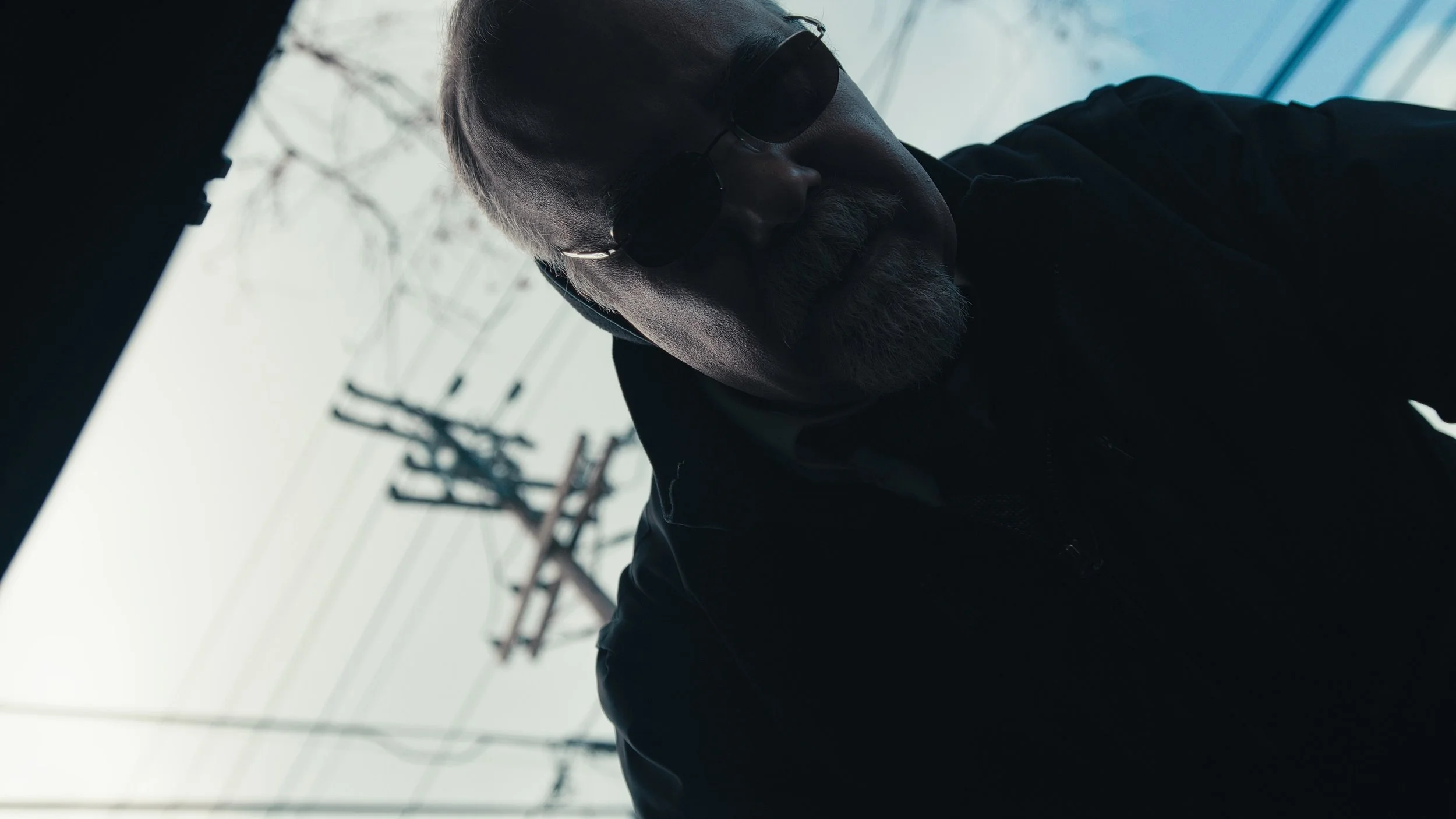
A contrast between warm and cool tones reflects the internal state of the character—human connection versus isolation and escalation. The camera often remains close, emphasizing psychological tension and allowing moments to linger.
This restraint in visual language supports the narrative rather than distracting from it.
Pacing & Structure
The pacing is deliberate.
The series avoids urgency in favor of gradual tension. Scenes are given space to develop, prioritizing atmosphere and character over immediate payoff. This creates a rhythm that feels intentional, reinforcing the weight of each moment.
Cast & Characters
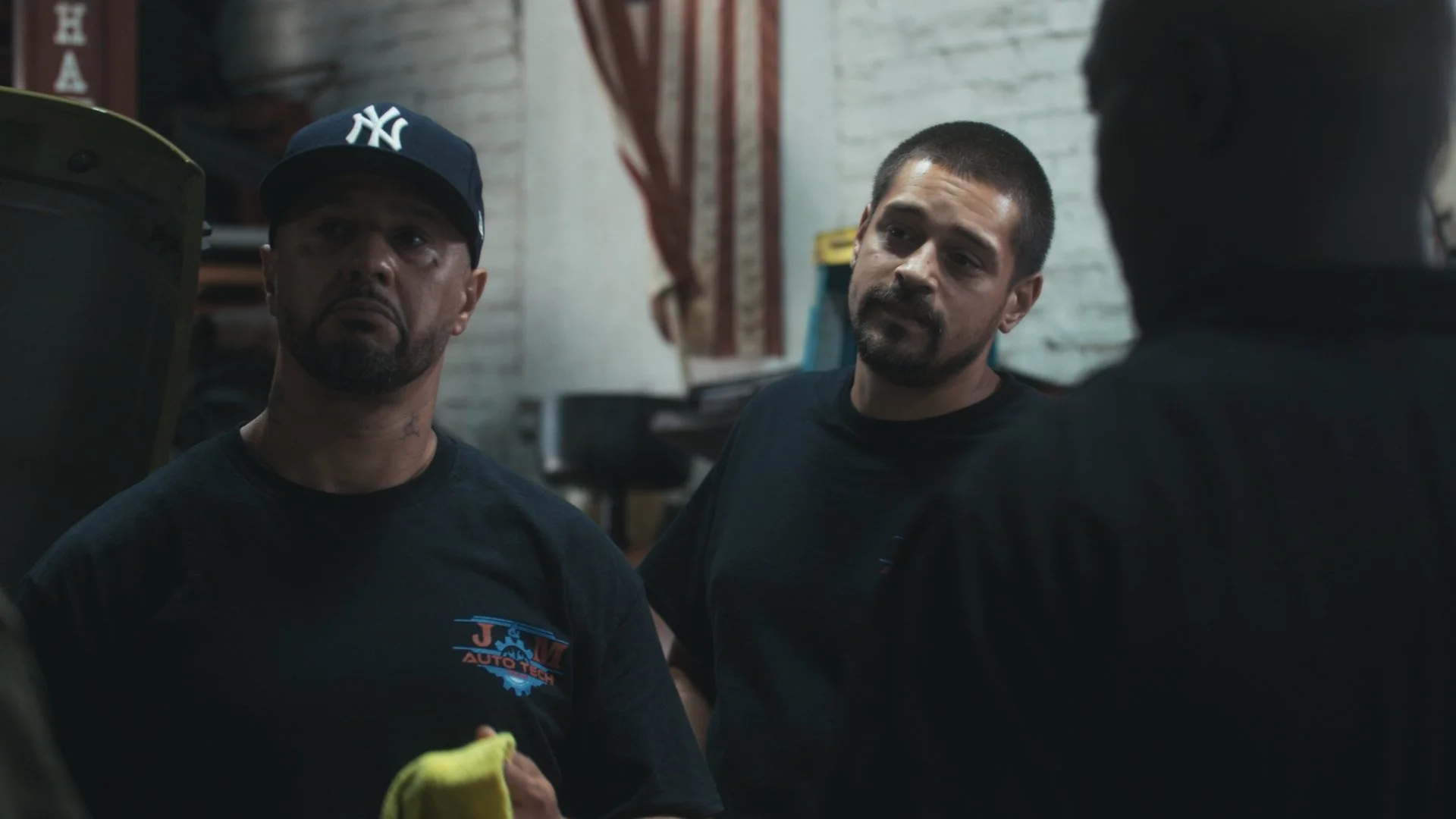
Alfredo Diaz as Roman Santos — A former soldier turned boxing coach navigating corruption, fatherhood, and moral conflict
Javier Molina as Vic — Director of The Actors Studio, portraying a grounded presence within Roman’s world
Mario D’Leon as Palomino — A character operating within the blurred lines of power and consequence
Steve Cambria as Cambria — Supporting role within the system Roman confronts
Ivette Dumeng as Carolina — A character tied to the emotional and relational core of the story
Advin Illa as Private First Class Davila — A role connected to the military dimension and psychological background of the narrative
Creative Team & Production Credits
Created by: Alfredo Diaz
Written by: Alfredo Diaz
Directed by: Alfredo Diaz, Ivette Dumeng
Produced by: Alfredo Diaz, Bryan Hamilton
Executive Producer: Debbie Klaar
Associate Producer / Production Support: Steve Cambria
Production Company: Rebel Religion Works
Featuring: An ensemble of Actors Studio members

Positioning & Industry Context
An exclusive screening at Angelika Film Center in New York places Roman within a context aligned with independent and prestige cinema. This positioning reflects the series’ tone—closer to a character-driven film than conventional television.
Its combination of thematic relevance, performance restraint, and visual discipline situates it within a space that often attracts awards attention.
Final Verdict
Roman is not designed for passive viewing.
It is a series built on tension, ambiguity, and restraint. Its strength lies in its refusal to simplify—whether in character, theme, or outcome.
Rather than offering answers, it leaves the audience with something more enduring:
a question about identity, justice, and the cost of survival that continues beyond the screen.